Emperors of the Tang dynasty
This is a list of emperors of the Tang dynasty (618–690, 705–907) of China. Tang monarchs like Emperor Taizong of Tang were also addressed to as the Khan of Heaven (Tian Kehan) by Turkic peoples.
The Chinese naming conventions is “Tang” (唐)+ temple name (e.g. Tang Gaozu).
Wu Zetian (Wu Zhao) 武则天 / 武曌
Zetian Dasheng (Wu Zhou) 则天大圣皇帝
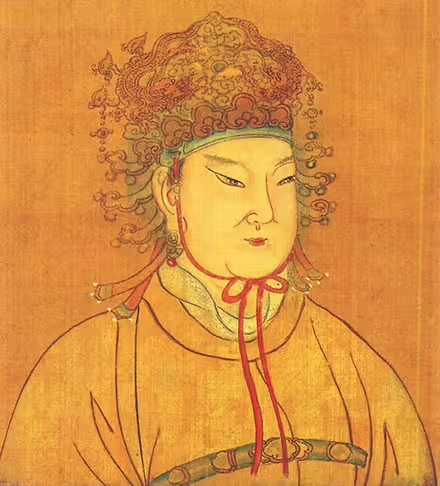
Wu Zetian (17 February 624 – 16 December 705), personal name Wu Zhao (武曌), was the de facto ruler of the Tang empire for nearly half a century and the sole female sovereign in Chinese history to reign in her own name as Huangdi (Emperor), ruling her Wu Zhou (武周) dynasty from 690 to 705. Rising from a low-ranking concubine in Taizong’s palace to empress consort under Gaozong, regent empress dowager, and finally emperor, she shattered the deepest patriarchal taboo of imperial China.
Li Chu 李柷
Jingzong 景宗
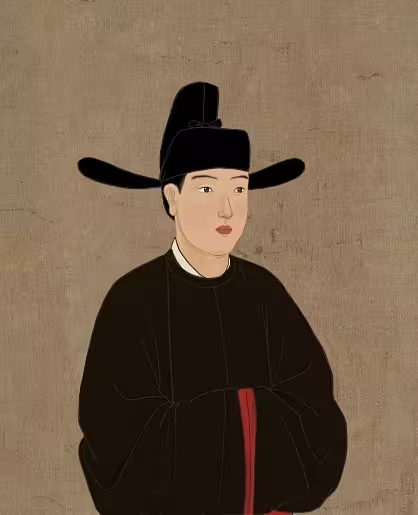
Emperor Ai of Tang (27 October 892 – 26 March 908), personal name Li Chu, born Li Zuo, was the twentieth and last emperor of the Tang dynasty, enthroned at twelve in September 904 by the warlord Zhu Wen three weeks after Zhu Wen’s men murdered his father, Emperor Zhaozong. His reign of less than three years was an exercise in the uses of a seal: every edict that ended the dynasty — the removal of the capital, the extinction of the imperial clan, the massacre of the bureaucracy, the final act of abdication — was issued in the name of a boy who had no more say in it than the jade of the imperial stamp had in what was written beneath it.
Li Yu 李豫
Daizong 代宗
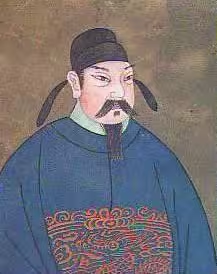
Emperor Daizong of Tang (9 January 726 – 23 May 779), personal name Li Yu, born Li Chu, was the eighth emperor of the Tang dynasty, reigning from 762 to 779. He was, by the roughest arithmetic, the emperor of the ruined third of the century: he presided over the end of the An Lushan rebellion, the Tibetan occupation of his capital, the defection of his greatest remaining general, and a collapse of the tax registers so complete that the Tongdian records fewer than two million households on the rolls by 760 against nearly nine million in 754.
Li Kuo 李适
Dezong 德宗
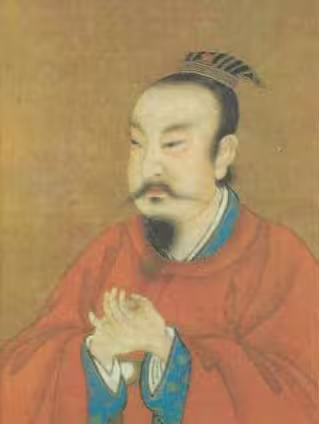
Emperor Dezong of Tang (19 May 742 – 25 February 805), personal name Li Kuo, was the ninth emperor of the Tang dynasty, reigning from 779 to 805 — a twenty-six-year tenure that began in reformist fire and ended in exhausted conciliation. He was the last Tang emperor to attempt the total reconstruction of the centralized state bequeathed by Xuanzong; the attempt nearly destroyed what it meant to save, and after 786 he settled for something less than victory and more than survival.
Li Zhi 李治
Gaozong 高宗
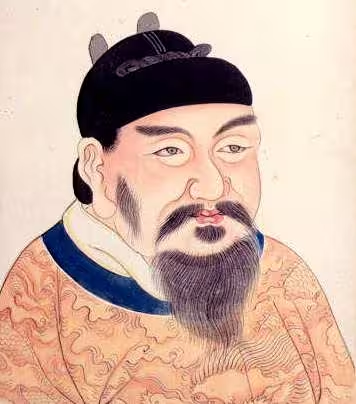
Emperor Gaozong of Tang (21 July 628 – 27 December 683), personal name Li Zhi, was the third emperor of the Tang dynasty, reigning for thirty-four years from 649 to 683 — the longest reign of early Tang and, at the time, a tenure unmatched since Han Wudi. He was the ninth son of Taizong and the third born to Empress Zhangsun, and he came to the throne as a surprise choice after the succession crisis of 643.
Li Yuan 李渊
Gaozu 高祖
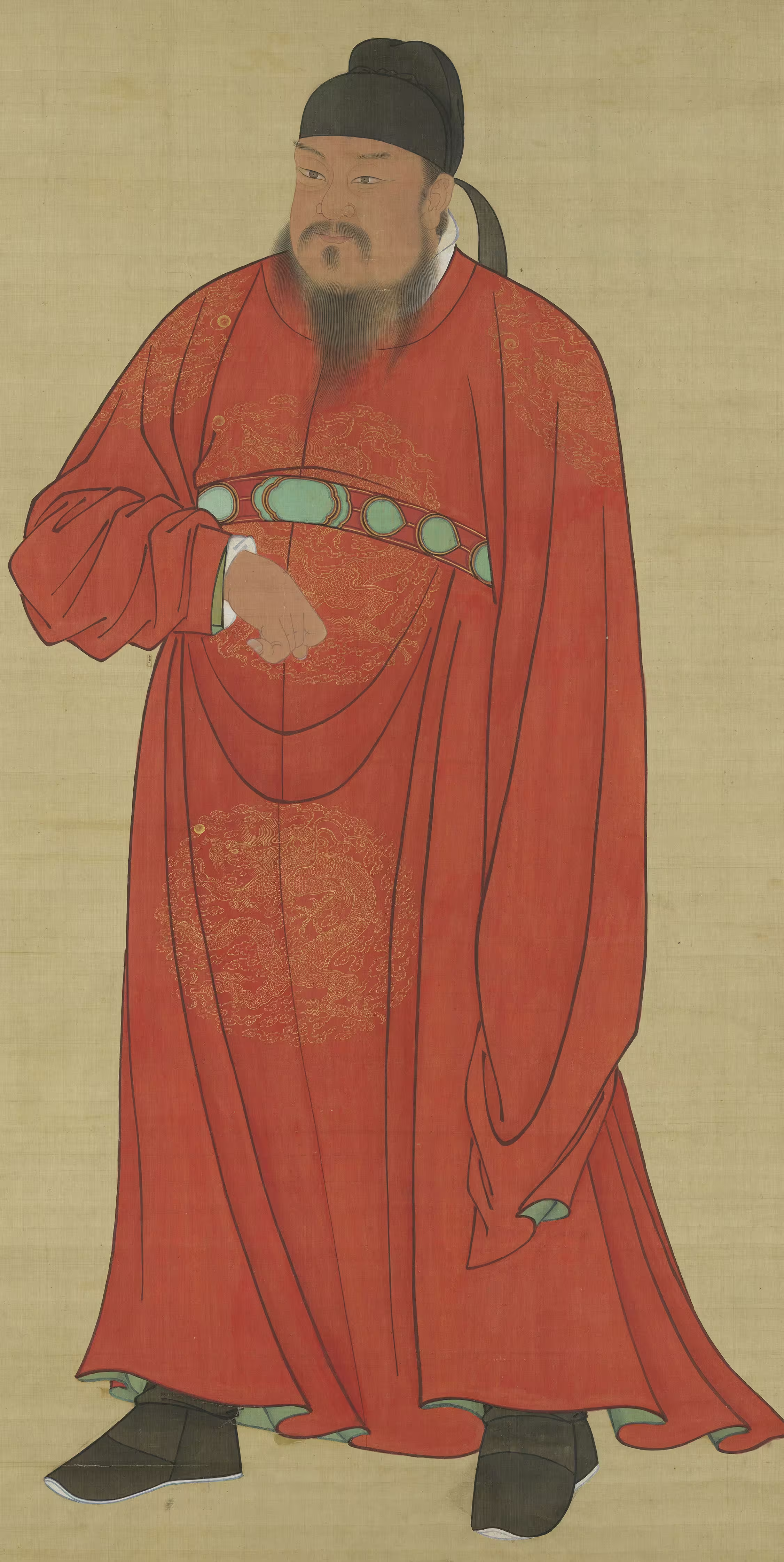
Emperor Gaozu of Tang (7 April 566 – 25 June 635), personal name Li Yuan, was the founding emperor of the Tang dynasty, reigning from 18 June 618 until his forced abdication on 4 September 626. He was the last of the great founders of Chinese imperial dynasties to come from the aristocratic military elite of the northwest — the so-called Guanlong aristocracy (关陇集团) — and his career bridged the fall of the Sui and the reunification of China after nearly three centuries of division.
Li Zhan 李湛
Jingzong 敬宗
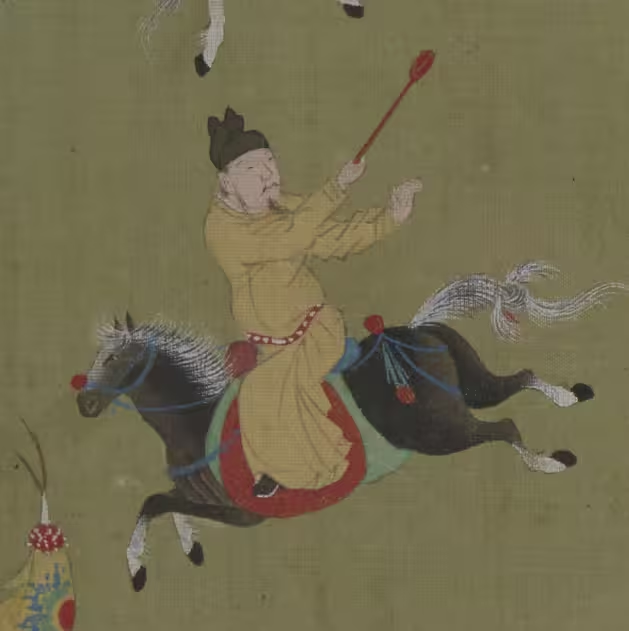
Emperor Jingzong of Tang (22 July 809 – 18 December 826), personal name Li Zhan, was the thirteenth emperor of the Tang dynasty, crowned at fourteen on his father’s sudden death and murdered by his own companions at seventeen. His two-year Baoli reign is the shortest full reign between 806 and 840, and its violence set a new benchmark in the dynasty’s accelerating decay: Jingzong was the first Tang emperor since the founding generation to be killed by the palace’s own servants, and the speed of the killing — over a drunken game, in the dark, by the teenagers he played with — announced that the throne was now anyone’s within reach of a candle-snuffer.
Li Heng 李恒
Muzong 穆宗
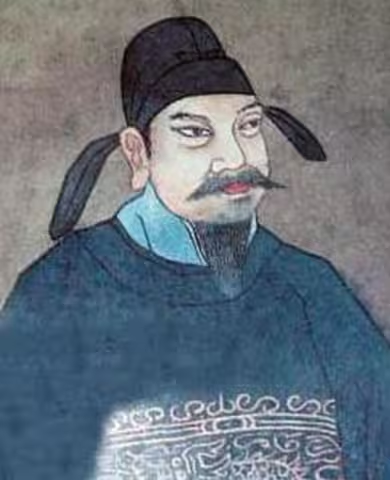
Emperor Muzong of Tang (14 July 795 – 25 February 824), personal name Li Heng, was the twelfth emperor of the Tang dynasty and the brief, dazzling undoer of his father’s life’s work. He inherited the Yuanhe Restoration whole — a cowed Hebei, a solvent treasury, a court that had forgotten what defeat felt like — and in four years of sport, indifference and one catastrophic policy he handed back everything: the three garrisons of the northeast in open revolt again, the demobilized armies of the interior turned into so many armed, unemployed men, and the eunuch establishment confirmed as kingmaker, since it was they who had placed him on the throne after his father’s murder.
Li Dan 李旦
Ruizong 睿宗
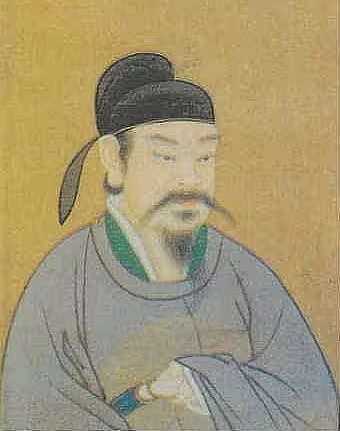
Emperor Ruizong of Tang (22 June 662 – 13 July 716), personal name Li Dan, was the fifth and, in his own way, the most unusual emperor of the Tang dynasty. He occupied the throne twice without ever truly ruling the first time, and surrendered it three times — yielding to Wu Zetian in 690, yielding the status of heir to his brother Zhongzong in 698, and abdicating to his son Xuanzong in 712. The historians of both Tang histories marveled at the feat: a man who sat beneath the most dangerous woman in Chinese history for a quarter-century and died in his bed, honored, trusted, and genuinely mourned.
Li Song 李诵
Shunzong 顺宗
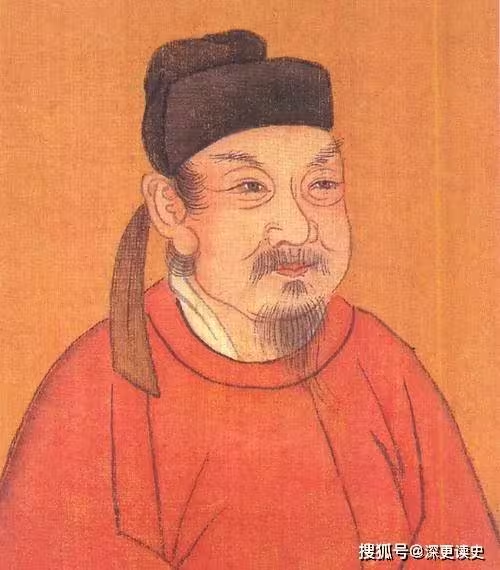
Emperor Shunzong of Tang (19 January 761 – 11 February 806), personal name Li Song, was the tenth emperor of the Tang dynasty and, at roughly six months, one of the briefest reigns in the dynasty’s history. He waited twenty-five years as crown prince — longer than any other Tang heir — and ruled for half a year, most of it unable to speak, before his own eunuchs and his sister-in-law’s rival faction bundled him off the throne.
Li Heng 李亨
Suzong 肃宗
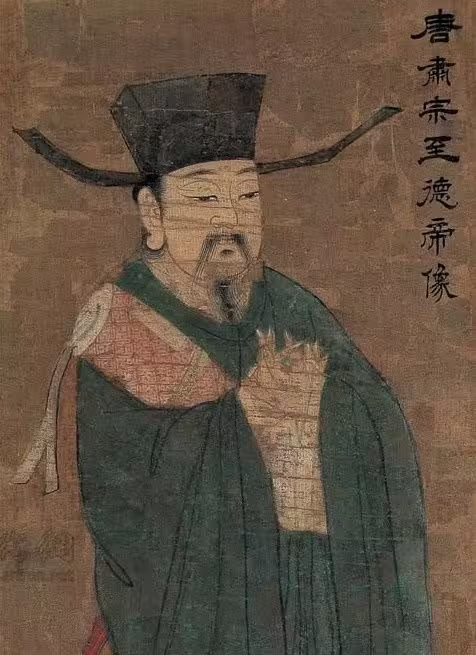
Emperor Suzong of Tang (19 October 711 – 16 May 762), personal name Li Heng, born Li Sisheng and renamed no fewer than five times in the factional crossfire of his father’s court, was the seventh emperor of the Tang dynasty. His reign was an emergency reign in the most literal sense: he was proclaimed emperor by mutinous necessity in a frontier garrison on 12 July 756, while his father was still alive and still sovereign in the empire’s eyes, because the An Lushan rebellion had left the dynasty an hour from its end.
Li Shimin 李世民
Taizong 太宗
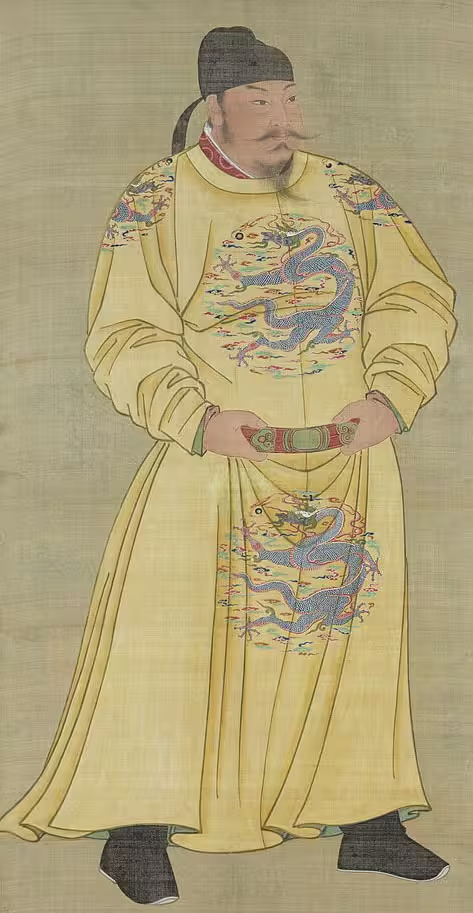
Emperor Taizong of Tang (28 January 598 – 10 July 649), personal name Li Shimin, was the second emperor of the Tang dynasty, reigning from 626 to 649. He is conventionally ranked among the greatest rulers in Chinese history, and his era name, Zhenguan (贞观), became a byword for good government so potent that later statesmen invoked it for a thousand years.
His claim rests on a paradox: he seized the throne by murdering his brothers at the Xuanwu Gate and compelling his father’s abdication, then governed so well that posterity largely forgave the crime. The Zizhi Tongjian’s judgment set the tone — a ruler who “cultivated himself to bring peace to the age” and who, in the verdict of the Jiu Tang Shu, rose above Han’s Wen and Jing emperors and stood comparison with Zhou’s founders. The political culture of the Zhenguan court — remonstrance institutionalized, conquered enemies employed, histories read aloud as mirrors of policy — became the template against which every subsequent Chinese emperor was measured.
Li Ang 李昂
Wenzong 文宗
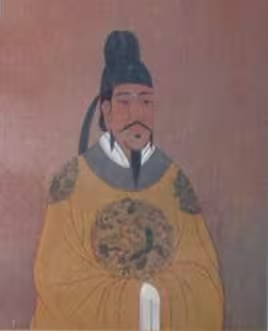
Emperor Wenzong of Tang (20 November 809 – 10 January 840), personal name Li Ang, born Li Han, was the fourteenth emperor of the Tang dynasty and, in the unanimous judgment of the historians, its most tragic. The Jiu Tang Shu delivered the verdict that has stuck for a thousand years: a ruler who had “the way of an emperor but not the talent of one” — personally frugal, studious and humane, and the prisoner, from the day the eunuchs chose him after his brother’s murder to the day they overrode his dying testament, of the very men who made him.
Li Yan 李炎
Wuzong 武宗
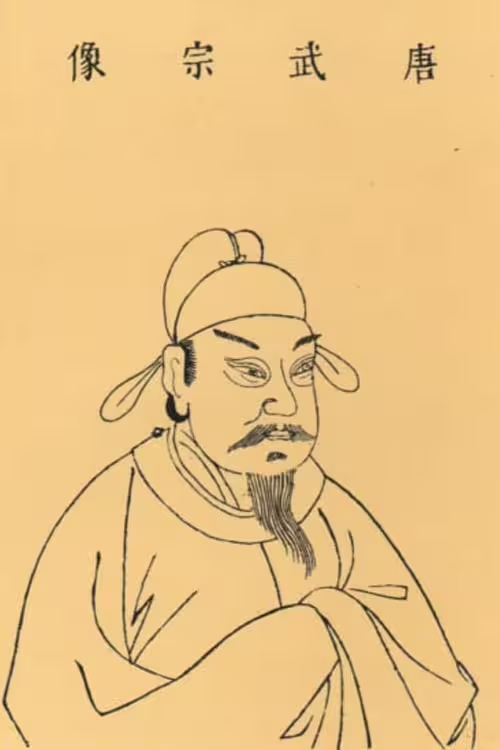
Emperor Wuzong of Tang (2 July 814 – 22 April 846), personal name Li Yan, born Li Chan, was the fifteenth emperor of the Tang dynasty and the last vigorous one. Placed on the throne in February 840 by the eunuchs Qiu Shiliang and Yu Hongzhi in defiance of his dying brother’s testament, he spent six years proving that a ruler chosen by the palace could still rule it: the age is remembered as the Huichang Restoration, the final brief assertion of the throne’s authority over the twin cancers of the late dynasty — the warlords and the great monasteries — before the eunuchs closed their hand again.
Li Chun 李纯
Xianzong 宪宗
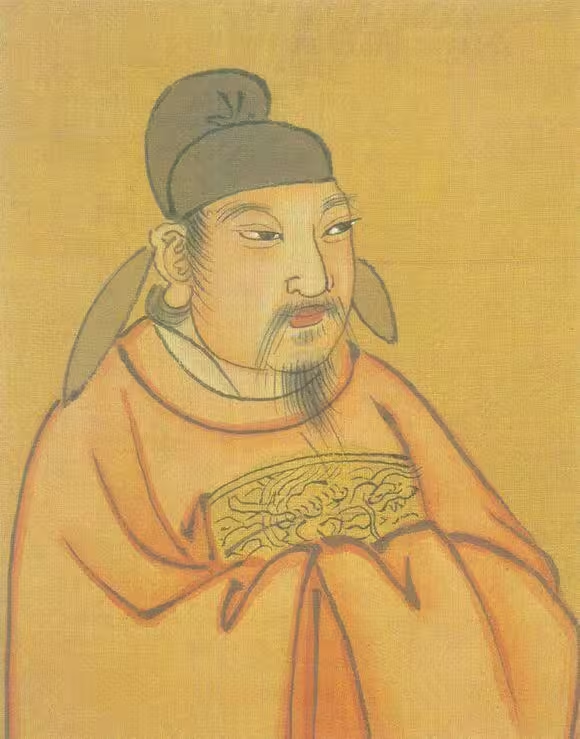
Emperor Xianzong of Tang (17 March 778 – 14 February 820), personal name Li Chun, was the eleventh emperor of the Tang dynasty and, in the conventional periodization, the dynasty’s second founder. His fourteen-year Yuanhe reign achieved what Dezong’s wars and two generations of conciliation could not: the military governors of the northeast — autonomous, hereditary and tribute-free for fifty years — were beaten, one after another, back under the fiscal and appointive authority of the court. The age is called the Yuanhe Restoration (元和中兴), and the Zizhi Tongjian marks its close with a sentence of undisguised triumph: some thirty provinces that had appointed their own officers and paid no taxes “now all obeyed the court’s constraints.”
Li Xuan 李儇
Xizong 僖宗
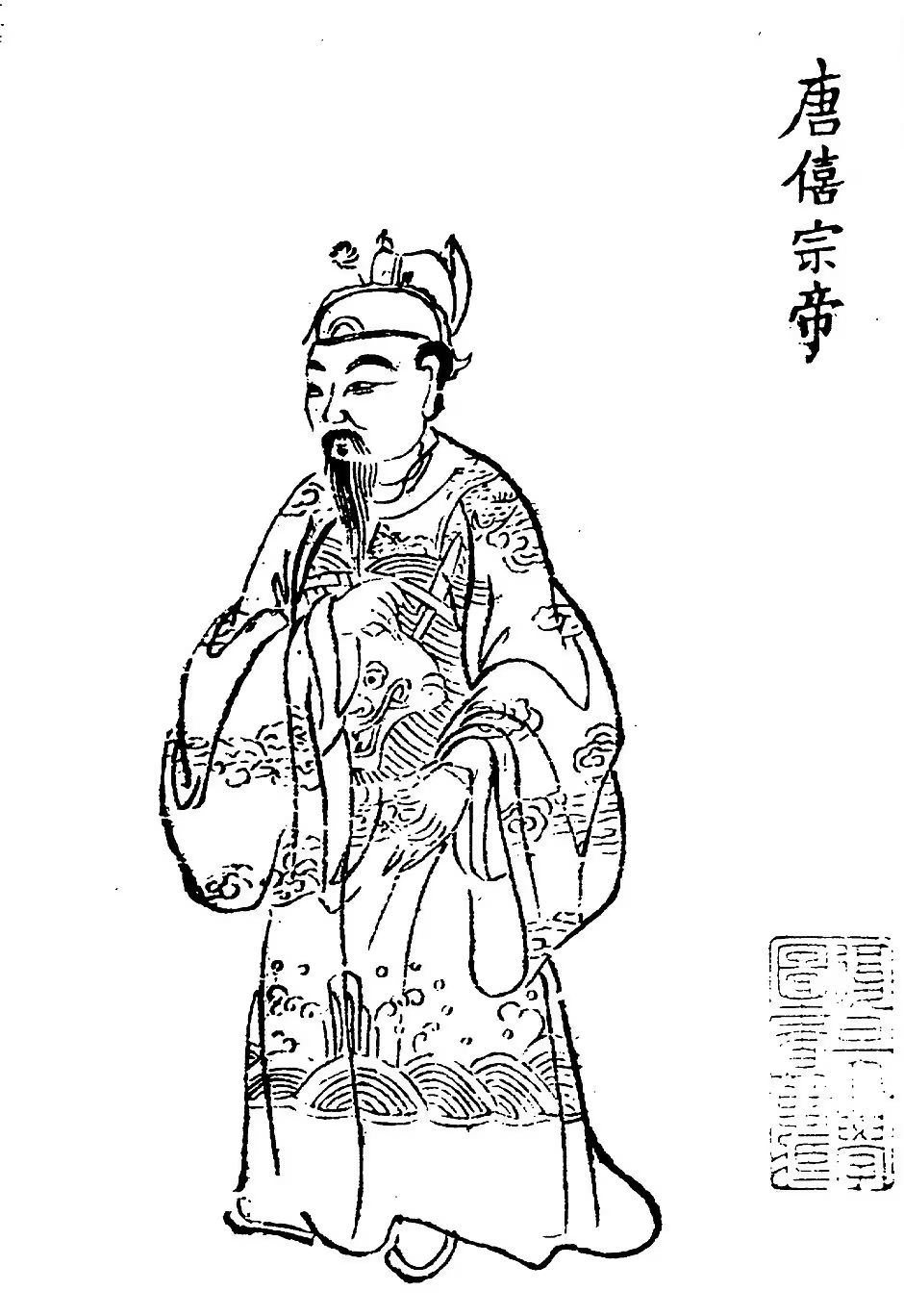
Emperor Xizong of Tang (8 June 862 – 20 April 888), personal name Li Xuan, born Li Yan, was the eighteenth emperor of the Tang dynasty — crowned at twelve on his father’s death, reared by the eunuch he called “Father,” and remembered as the sovereign under whom the empire of the Yellow River finally broke. His fifteen years were dominated by a single event, the rebellion of Huang Chao (875–884), the largest insurrection in Chinese history to that date, which held both capitals, declared a rival dynasty, and left the heartland so depopulated and so stripped of institutions that the Tang of 885 was a government in name and a constellation of warlords in fact.
Li Longji 李隆基
Xuanzong 玄宗
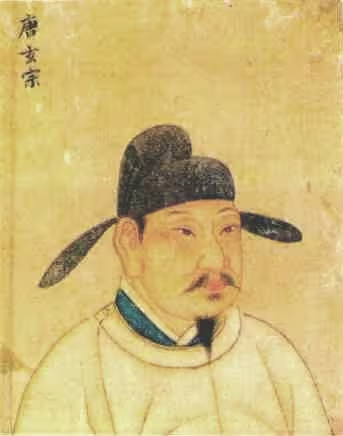
Emperor Xuanzong of Tang (8 September 685 – 3 May 762), personal name Li Longji, known to a millennium of literature as Tang Minghuang (唐明皇), was the sixth emperor of the Tang dynasty and its longest-reigning sovereign, holding the throne for forty-four years from 712 to 756. No reign in Chinese history presents so theatrical an arc: he inherited a court still vibrating from palace coups and ended by presiding over the empire’s most celebrated golden age; he then let that age rot from within until it detonated in the catastrophe that nearly destroyed the dynasty.
Li Chen 李忱
Xuanzong 宣宗
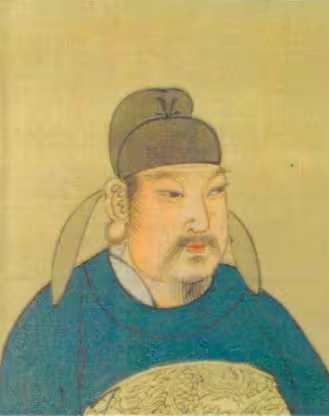
Emperor Xuanzong of Tang (27 July 810 – 7 September 859), personal name Li Chen, was the sixteenth emperor of the Tang dynasty and the last one for whom the word “restoration” has ever been seriously used. He was the thirteenth son of Xianzong, an uncle of Muzong, and the great-uncle of the three sons of Muzong who preceded him — Wenzong and Wuzong, who had spent twenty years at banquets treating this silent, awkward relative as the family fool. When the court met in February 840 to choose a successor for the dying Wuzong, the eunuchs picked the fool for a fool’s reasons: he would be safe, grateful and governable.
Li Cui 李漼
Yizong 懿宗
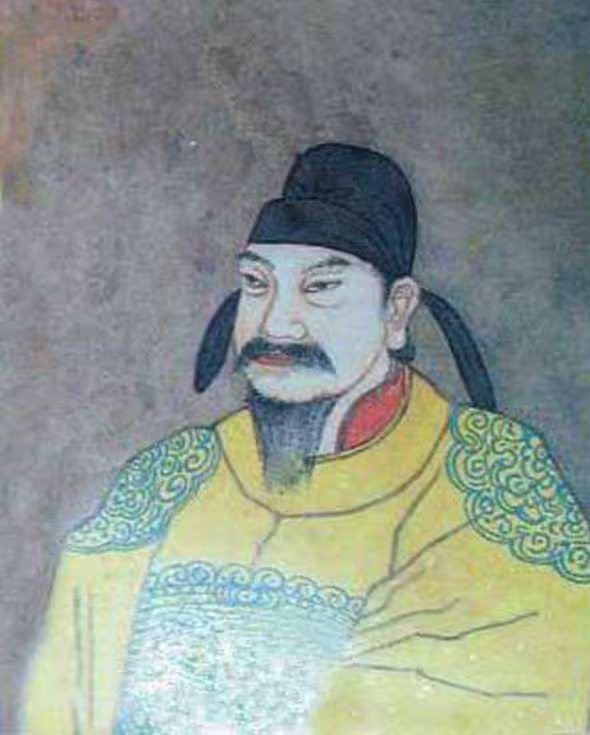
Emperor Yizong of Tang (28 December 833 – 15 August 873), personal name Li Cui, was the seventeenth emperor of the Tang dynasty, and by the consensus of every historian who wrote of him, the one who spent the Dazhong inheritance. Where his father had repaired, he consumed: the fourteen Xiantong years are a litany of funerals, festivals and revolts, of generals suppressing agrarian armies at ruinous cost while the court debated the cost of a princess’s coffin.
Li Ye 李晔
Zhaozong 昭宗
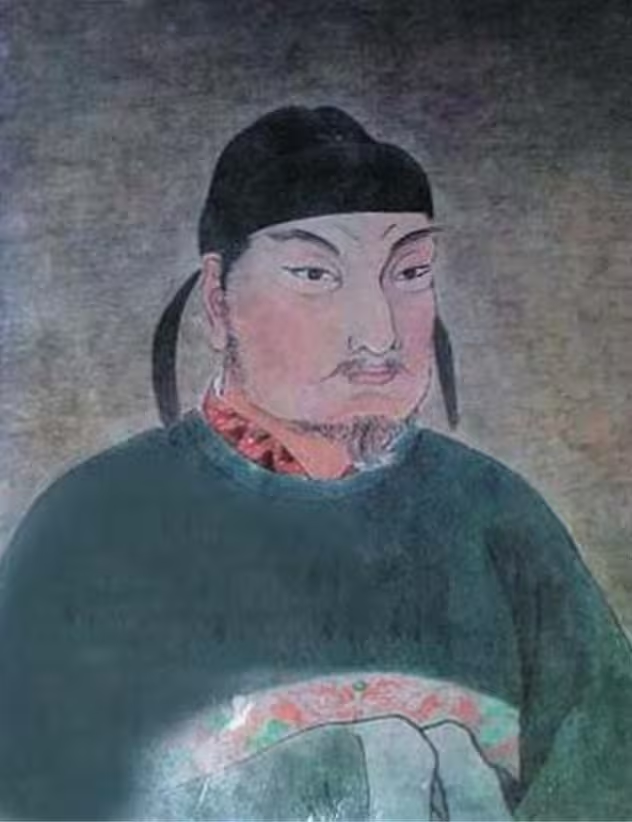
Emperor Zhaozong of Tang (31 March 867 – 22 September 904), personal name Li Ye, born Li Jie, was the nineteenth emperor of the Tang dynasty and its last to die with the crown actually on his head. He was a startling figure amid the wreckage: vigorous, literate, ambitious, personally brave — a ruler of the old type, with “the intent of a restorer,” as the historians put it, born forty years too late and armed with nothing but intent.
Li Xian 李显
Zhongzong 中宗
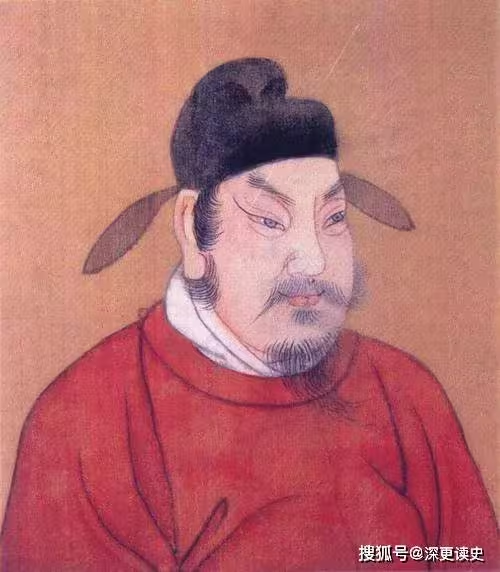
Emperor Zhongzong of Tang (26 November 656 – 3 July 710), personal name Li Xian, born Li Zhe, was the fourth emperor of the Tang dynasty — and, uniquely, its twice-crowned one. His first reign lasted some fifty-five days in 684 before his mother Wu Zetian deposed him; his second, restored by the coup of 705, lasted five years and ended, almost certainly, in poison. He is remembered less for what he did than for what he failed to prevent: the dominance of his wife Empress Wei and his daughter Princess Anle, whose ambitions reignited the very pattern — empress usurpation — that the restoration of 705 had just extinguished.